


Programmer thoughts into the success of Lightning Storm in the Britain emphasize a careful approach to user-focused development and society engagement. You’ll discover that their reliance on preliminary responses and flexible techniques had a crucial part in forming the video game’s progress. When you explore how these tactics intertwine, you could consider what distinct advancements and alliances truly placed Thunderstorm apart in such a fierce market.
Main Points
- Lightning Storm’s achievement across the Britain originated from a user-oriented architecture that emphasized user-friendly navigation and community participation.
- Developer insights emphasized the importance of constant input iterations and beta testing to comprehend player satisfaction and refine the video game.
- Deliberate collaborations with AI experts and visual artists enhanced the video game’s advanced attributes and look, adding to its market presence.
- Use of adaptive approaches enabled programmers to respond rapidly to evolving technologies and customer demands, increasing project effectiveness.
- The game’s debut aligned with a trend towards more engaging experiences, leveraging VR and online gaming to enhance accessibility.
The Vision for Lightning Storm
When you dive into the depths of the dream for Thunderstorm, it reveals a commitment to innovation and user-oriented design. You shall observe that the group prioritizes how players engage with tech, aiming to simplify procedures and enhance experiences.
The software engineers lay focus on developing an user-friendly user interface, making sure that even the most minimally technologically adept can browse with simplicity. They’ve actively engaged with their community, collecting input to refine capabilities customized to real-world needs.
This method fosters a sense of ownership among participants, as they feel actively involved in the evolution of the platform. The goal isn’t just about developing a product; it’s about fostering a comprehensive ecosystem that evolves alongside its users, constantly adapting to the changing landscape of user demands and tech progress.
Key Challenges Faced by Programmers
As a programmer, you know that navigating technical integration can be a real hurdle in turning your vision to reality.
Besides that, the stress of market competition adds another level of complexity that can be tough to handle.
Additionally, you often encounter the difficulty of distributing resources efficiently, making it difficult to keep initiatives on track.
Technological Integration Difficulties
While embracing new technologies can result to innovative solutions, developers often find themselves grappling with technological integration difficulties during the process.
These obstacles mainly arise when linking various systems, APIs, and structures, which can produce unexpected compatibility issues. You might have difficulty with obsolete documentation or absence of support from third-party services, which adds to the difficulty.
Additionally, debugging becomes more time-consuming as you navigate the interconnected dependencies between systems.
There’s also the constant requirement to update your existing software to ensure seamless incorporation, which can divert your focus from new feature creation.
In the end, overcoming these hurdles demands not just technological abilities but also patience and creative solution-finding to deliver smooth, unified solutions.
Market Rivalry Struggles
In a environment filled with competing offerings and solutions, developers encounter significant market competition struggles that can impede growth and innovation.
You often discover yourself racing against time to surpass rivals, balancing excellence and speed. Understanding what sets your product apart becomes essential, especially when you’re up against well-known players.
Here are some frequent challenges you might encounter:
- Rapidly Changing Technology
- User Expectations
- Pricing Pressures
Navigating these issues is vital as you aim for success and longevity in this cutthroat market.
Resource Allocation Issues
Resource allocation is a critical challenge for developers that can immediately impact project outcomes and team morale. You often wrestle with juggling limited resources, be it time, budget, or personnel. This misalignment can lead to roadblocks, resulting in delays and unfinished tasks.

When priorities change unexpectedly, it’s tough to adapt your focus and keep your team engaged.
Moreover, under-resourced projects can strain relationships within your team, diminishing motivation and collaboration. You might find that developers are often overworked, leading to burnout and lower quality work.
Striking a balance between different projects and their demands is essential. To mitigate these issues, emphasize transparency in communication and engage in regular assessments, ensuring everyone’s on the same page and adequately supported.
Innovative Solutions and Strategies
As developers address the challenges of Lightning Storm, they’ve turned to innovative solutions and strategies that not only streamline workflows but also enhance overall project efficiency.
By utilizing these methods, you can optimize development processes and increase productivity. Here are a few effective strategies you might think about:
- Automation Tools
- Agile Methodologies
- User Feedback Loops
These strategies help you maintain a competitive edge while successfully managing resources, eventually contributing to the success of your Lightning Storm projects.
Collaborations That Made a Difference
Collaboration has been a transformative factor for many teams working on Lightning Storm, with three key partnerships being prominent.
First, the alliance with a top AI research lab hastened machine learning integration, improving gameplay dynamics. You could see notable improvements in player interactions and adaptability, thanks to their advanced algorithms.
Next, collaborating with well-known graphic designers transformed the game’s visual identity, making it more immersive. Their creative input led to stunning visuals that captivated players.
Lastly, a partnership with a leading marketing firm increased community engagement through novel campaigns, successfully reaching specific audiences.
These partnerships not only streamlined development but also amplified Lightning Storm’s presence in the market, solidifying its success and fostering further innovation.
User Feedback and Iterative Development
User feedback is vital for enhancing your product and guaranteeing it satisfies real needs.
Gathering User Insights
How can developers ensure they’re building the appropriate features for their users? Gathering user insights is crucial. By actively seeking input, you can tailor your product to meet user requirements.
Here are some efficient strategies:
- Conduct surveys
- Engage in interviews
- Utilize analytics
Incorporating this input effectively shapes the development process, ensuring that your features appeal to your audience.
Iterative Design Process
Collecting user insights sets the stage for an successful iterative design process. By understanding user expectations and pain points, you can create a product that truly appeals to them.
With each version you develop, you should actively seek input and make changes accordingly. This approach ensures that you’re not just guessing what users want but are responding to their actual experiences.
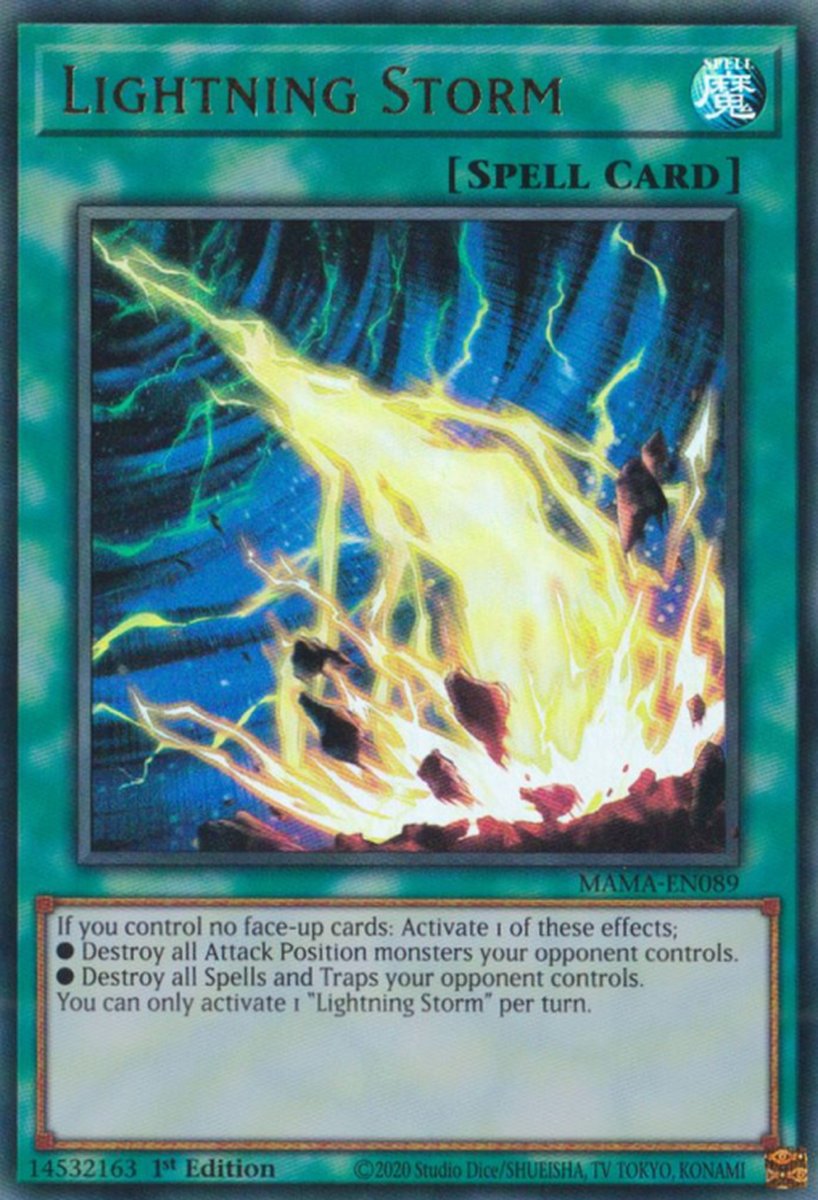
As you implement changes, Lightning Storm Game, remember to keep testing new features and gathering additional insights. Each iteration gets you closer to a finished product that meets user expectations.
Engaging users in this way fosters loyalty and enhances satisfaction, ultimately driving success. Trust the process; it’s all about refining your offering based on real-world insight.
Adapting to Preferences
While developing a product, it’s crucial to adapt to user likes by incorporating their input into each iteration.
By listening to your users, you can create a more compelling and satisfying experience. This approach not only enhances your product but also increases user commitment.
Here are some effective strategies to implement:
- User Surveys
- Beta Testing
- Data Analytics
The Future of Gaming and Software Development
What can we expect in the rapidly evolving world of gaming and software development?
You’re likely to see a increase in immersive experiences fueled by virtual reality and augmented reality. These technologies will transform how you interact with games and applications, making them more engaging than ever.
Artificial intelligence will play a pivotal role, creating adaptive gameplay that responds to your preferences and skill levels in real-time.
Moreover, cloud gaming is set to revolutionize access, allowing you to enjoy high-quality games on a variety of devices without the need for powerful hardware.
As the industry embraces cross-platform play and decentralized gaming, you’ll find a more welcoming community.
The convergence of creativity and technology means infinite possibilities; your gaming experiences are about to get much richer.
Frequently Asked Questions
What Inspired the Name “Lightning Storm”?
The name “lightning storm” captures the energy and excitement of rapid growth and innovation in technology. It reflects the intensity and brilliance of ideas striking like lightning, inspiring you to embrace change and progress.
How Long Did the Development Process Take?
The development process took about eight months in total. You’ll find that the team worked diligently during those months, refining ideas and ensuring every detail aligned with their vision for the project.
What Platforms Is Lightning Storm Available On?
Lightning Storm is available on several platforms, including PC, PlayStation, and Xbox. You can also find it on mobile devices for iOS and Android, ensuring you can enjoy the game wherever you are.
Who Are the Key Team Members Behind the Project?
The key team members behind the project include skilled developers, creative designers, and project managers. They collaborate closely, combining their expertise to ensure the success and smooth operation of the Lightning Storm initiative.
What Was the Budget for the Lightning Storm Development?
The budget for the Lightning Storm development was around £500,000. You’ll find that this investment focused on advanced technology, team expertise, and sustainable practices, ensuring the project delivered high-quality results while remaining on schedule.
Conclusion
In conclusion, the success of Lightning Storm in the UK showcases how prioritizing user feedback and community engagement can elevate a game’s development. By embracing creative strategies and agile methodologies, developers have crafted an inclusive gaming experience that resonates with players. Collaborative efforts have further fueled this achievement, setting a strong foundation for future projects. As gaming continues to evolve, embracing these principles will ensure developers stay aligned with player needs and market trends.